Revolutionary Furniture Designing
Revolutionary furniture designing refers to innovative and unconventional approaches in the creation of furniture that challenge traditional design norms and push the boundaries of form, function, and aesthetics. The content surrounding revolutionary furniture design typically includes the following key elements:
Innovation in Materials
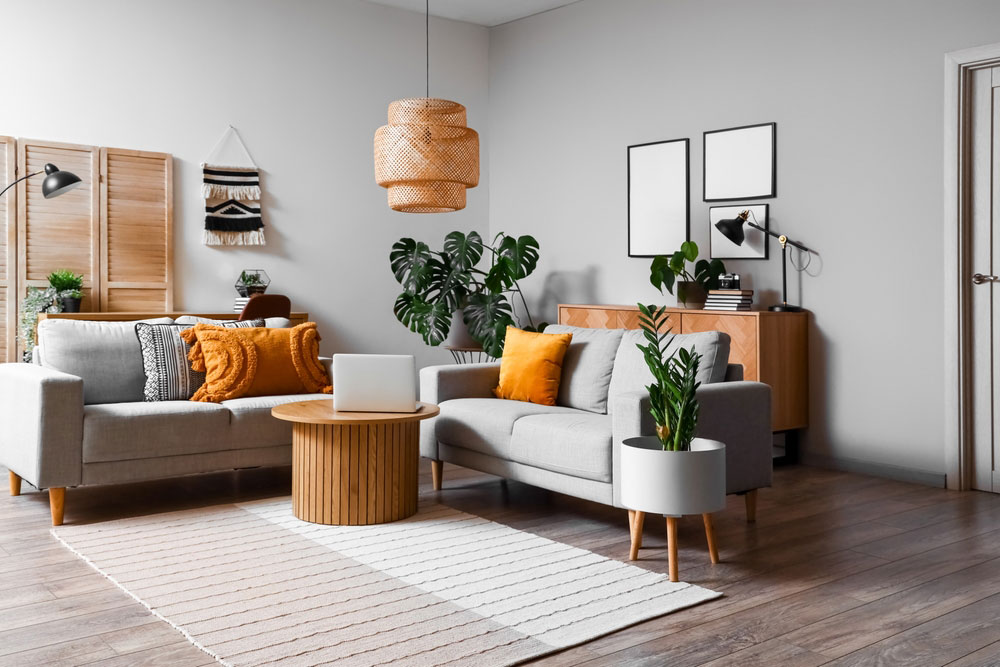
- Sustainable Materials: Designers are increasingly using eco-friendly materials such as recycled plastics, reclaimed wood, bamboo, or biodegradable composites. This is driven by the need for sustainability in design and the reduction of environmental impact.
- Smart Materials: These include materials that change their shape or properties in response to
environmental conditions (e.g., thermochromic fabrics, shape-memory alloys) or materials that incorporate technology, such as built-in lighting or charging ports.
- Modular Components: The use of modular design allows for furniture that can be adapted and
transformed to meet different needs, offering flexibility and personalization.
Functional Innovation
- Multi-Functional Furniture: Revolutionary designs often include pieces that serve more than one purpose, such as a coffee table that converts into a desk or a sofa with built-in storage or a bed that turns into a workspace.
- Compact and Transformative Designs: Furniture that adapts to different spaces or needs, such as
foldable tables, extendable couches, or collapsible shelving units, is highly sought after, particularly in small urban living spaces.
- Ergonomics: Advanced ergonomic designs prioritize user comfort, with adjustable heights,
pressure-relieving materials, and designs that promote good posture and health.
Technology Integration
- Smart Furniture: This category includes furniture embedded with technology, such as desks with wireless charging stations, sofas with built-in speakers, or lamps that can be controlled via smartphone apps.
Integration with smart home systems for lighting, temperature control, and more is also a growing trend.
- Virtual and Augmented Reality: Some designers use VR and AR tools to create immersive furniture design experiences, allowing consumers to visualize how pieces will look in their homes before purchase.
- 3D Printing: With advancements in 3D printing technology, designers can create highly customized and intricate furniture pieces that were previously impossible to make with traditional manufacturing methods.
Aesthetic Innovation
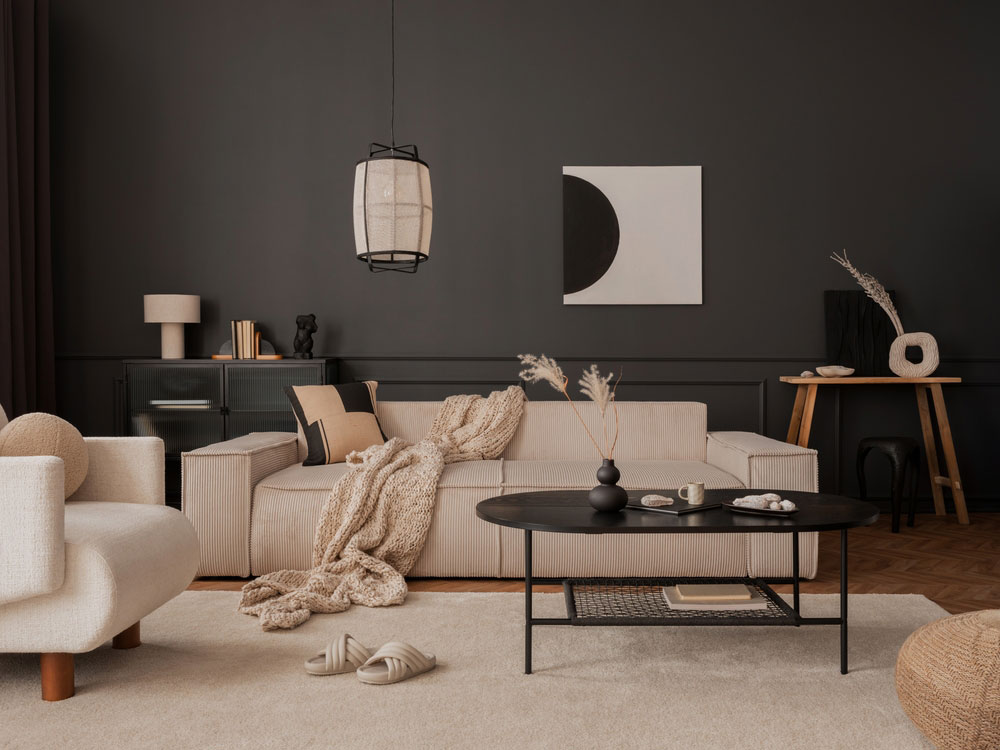
- Minimalism and Futurism: Revolutionary designs often favor sleek, clean lines and simple forms, taking inspiration from minimalism and futuristic styles. These designs focus on beauty in simplicity and
functionality.
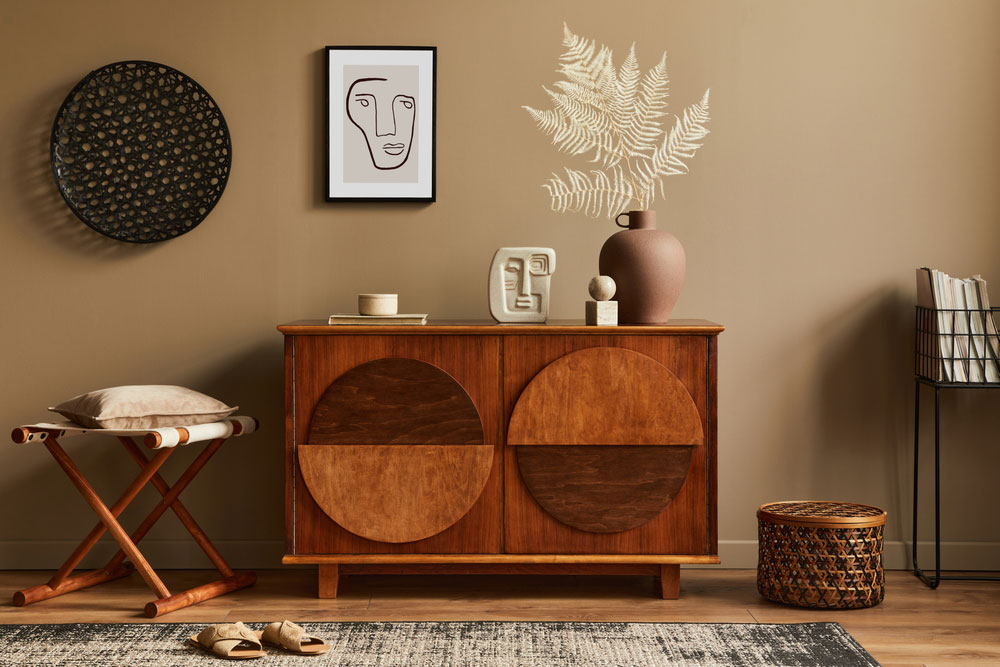
- Sculptural Forms: Designers sometimes break away from traditional furniture shapes to create sculptural, artistic pieces that double as functional works of art. These pieces might push the boundaries of what furniture "should" look like, focusing on abstract or fluid designs.
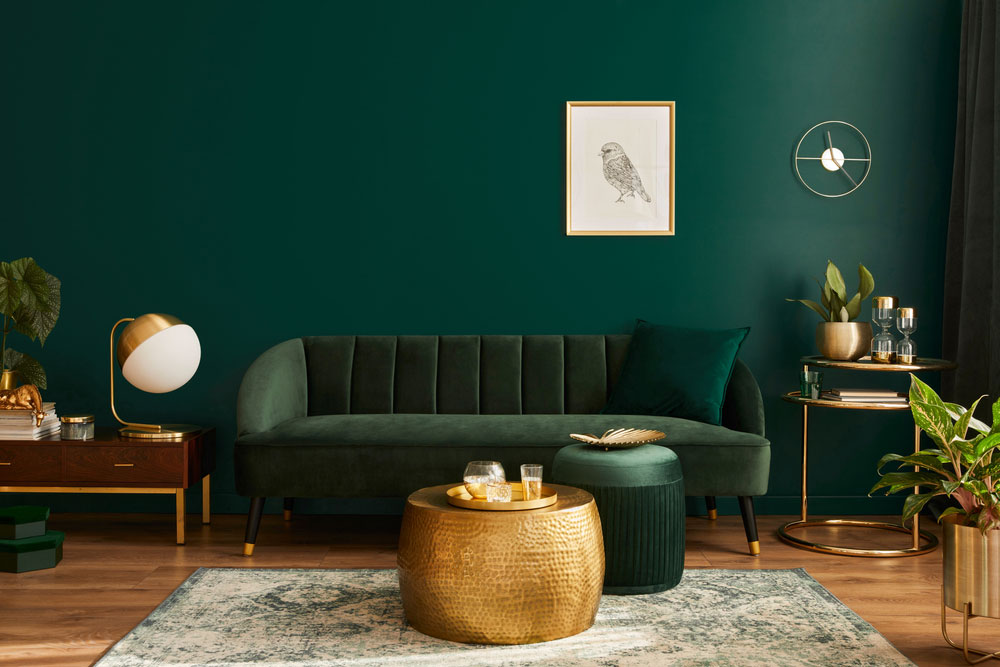
- Color and Texture Experimentation: Designers may experiment with bold colors, unexpected textures, and unconventional patterns, creating furniture that acts as a statement piece in a room.
Cultural and Social Context
- Inclusive Design: Furniture designed with accessibility and inclusivity in mind, such as products that cater to people with disabilities or are adaptable for different age groups or physical conditions, is an important aspect of revolutionary design.
- Cultural Influences: Many revolutionary furniture designs draw inspiration from diverse cultures, integrating traditional crafts with modern techniques, resulting in unique, hybrid designs.
- User-Centered Design: Many revolutionary designs focus on deeply understanding the user's needs, emotions, and behaviors, creating pieces that go beyond basic functionality to improve the user experience.
Sustainability and Environmental Considerations
- Circular Design: This approach focuses on creating furniture that can be disassembled, repaired, or recycled, reducing waste and extending the product's life cycle. Some companies are designing products with parts that can be reused or easily replaced. Energy Efficiency: Some furniture designs incorporate features that promote energy efficiency, such as solar-powered furniture or items designed to minimize energy
consumption.