Artistic & Craftsmanship Excellence" refers to the highest standards of creativity, skill, and attention to detail in creating works of art or crafted objects. It emphasizes the fusion of artistic expression with superior technical ability, whether in visual arts, sculpture, design, or craftsmanship across various fields.
Bamboo & Wood craft
Bamboo Crafts:
Bamboo is a versatile material, known for its strength, flexibility, and eco-friendliness. It is often used in crafting items like furniture, utensils, and decorative pieces. Some common bamboo crafts include:
- Bamboo Furniture: Chairs, tables, shelves, and beds made from bamboo, which are lightweight, durable, and have a natural aesthetic.
- Bamboo Utensils: Cutlery, straws, and serving trays made from bamboo are popular due to their
biodegradability and sustainability.
- Bamboo Weaving: Bamboo can be split into thin strips for weaving baskets, mats, and decorative items. These woven crafts are highly valued for their intricate designs.
- Bamboo Sculptures: Artists use bamboo to create elaborate sculptures, from animals to abstract designs.
- Bamboo Lamps and Lighting: Bamboo is crafted into lampshades, lanterns, and other lighting fixtures, adding an organic feel to interiors.
Wood Crafts:
Wood, a more traditional crafting material, offers a broad range of possibilities due to its various textures, densities, and finishes. Wood crafts often include:
- Wooden Furniture: Handcrafted chairs, tables, cabinets, and other furniture pieces, often with intricate carvings or polished finishes.
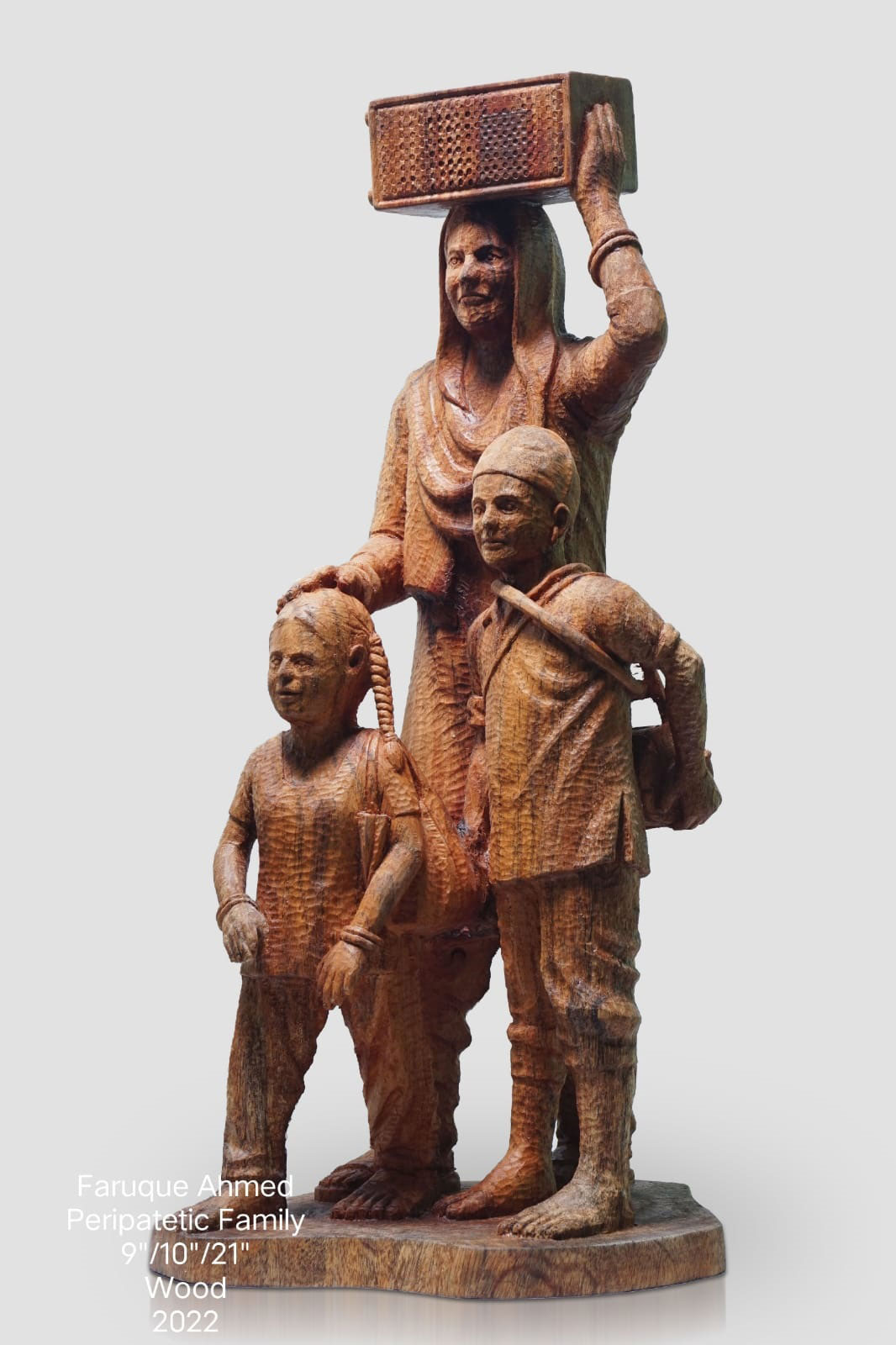
- Wood Carving: The art of carving wood into detailed sculptures, figurines, and masks. This is a traditional craft in many cultures and can range from simple household items to elaborate decorative pieces.
- Wooden Kitchenware: Spoons, cutting boards, rolling pins, and salad bowls made from wood are popular due to their natural look and durability.
Mural
A mural is a large-scale artwork that is typically applied directly to a wall, ceiling, or any other large surface. Murals have been used for centuries, often serving as a means of telling stories, recording history, or
decorating public and private spaces. They can be painted, tiled, or created with other materials such as
mosaics, frescoes, or even digital media.
Here are a few key points about murals:
- Artistic Expression: Murals are often a powerful form of artistic expression, reflecting cultural, social, or political themes. They can range from realistic depictions to abstract or surreal designs.
- Public and Private Spaces: While many murals are found in public spaces such as city streets, parks, and buildings, they can also be in private homes or galleries. Public murals often serve as a focal point for community engagement.
- Historical Significance: Some murals have historical importance, such as the frescoes by artists like Michelangelo in the Sistine Chapel or Diego Rivera’s murals depicting Mexican history. These pieces capture moments in time and often communicate deep social messages.
- Modern Muralism: In modern times, murals have evolved with the advent of street art, graffiti, and other contemporary styles. They are often seen as a form of urban expression and can be found in cities around the world, adding vibrancy and character to the urban landscape.
Ceramic
Ceramics are materials made by shaping and then firing a non-metallic mineral, often clay, at high
temperatures. The firing process solidifies the material and typically gives it strength, hardness, and durability. Ceramics can take many forms, including:
- Traditional Ceramics: These include pottery, tiles, bricks, and porcelain, often made from clay-based materials. These items are usually fired at high temperatures to become durable and can be decorative or functional.
- Advanced Ceramics: These are used in industrial applications, including electronics, medical devices, and aerospace components. Advanced ceramics often include materials like silicon carbide, zirconia, and alumina, which have specific properties like high heat resistance, electrical insulation, or chemical inertness.
- Types of Ceramic Materials:
- Clay-based ceramics: Used for pottery, bricks, and tiles.
- Porcelain: A type of ceramic known for its translucency and fine texture, often used in fine china.
- Stoneware: Heavier than porcelain, stoneware is often used for baking dishes and mugs.
- Earthenware: A more porous ceramic material that’s often used in basic pottery.
Ceramics are valued for their ability to withstand high temperatures, resistance to wear, and insulating
properties. They are used in a wide variety of products, from everyday items like dinnerware to high-tech
applications in science and industry.
Painting
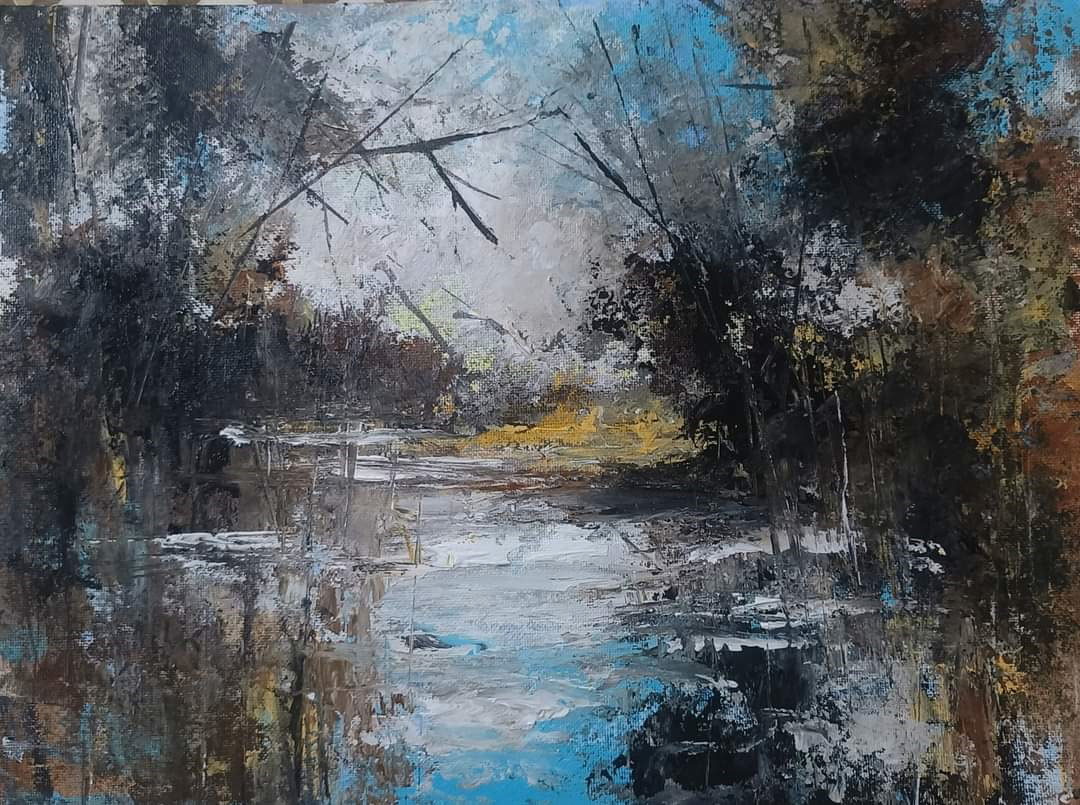
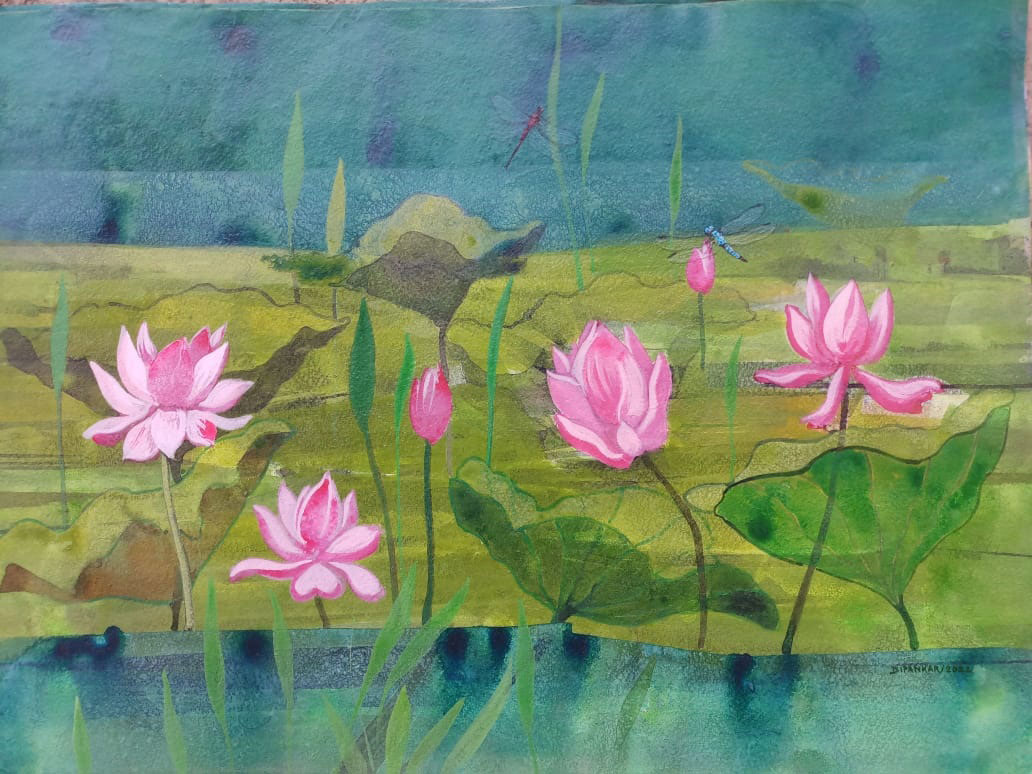
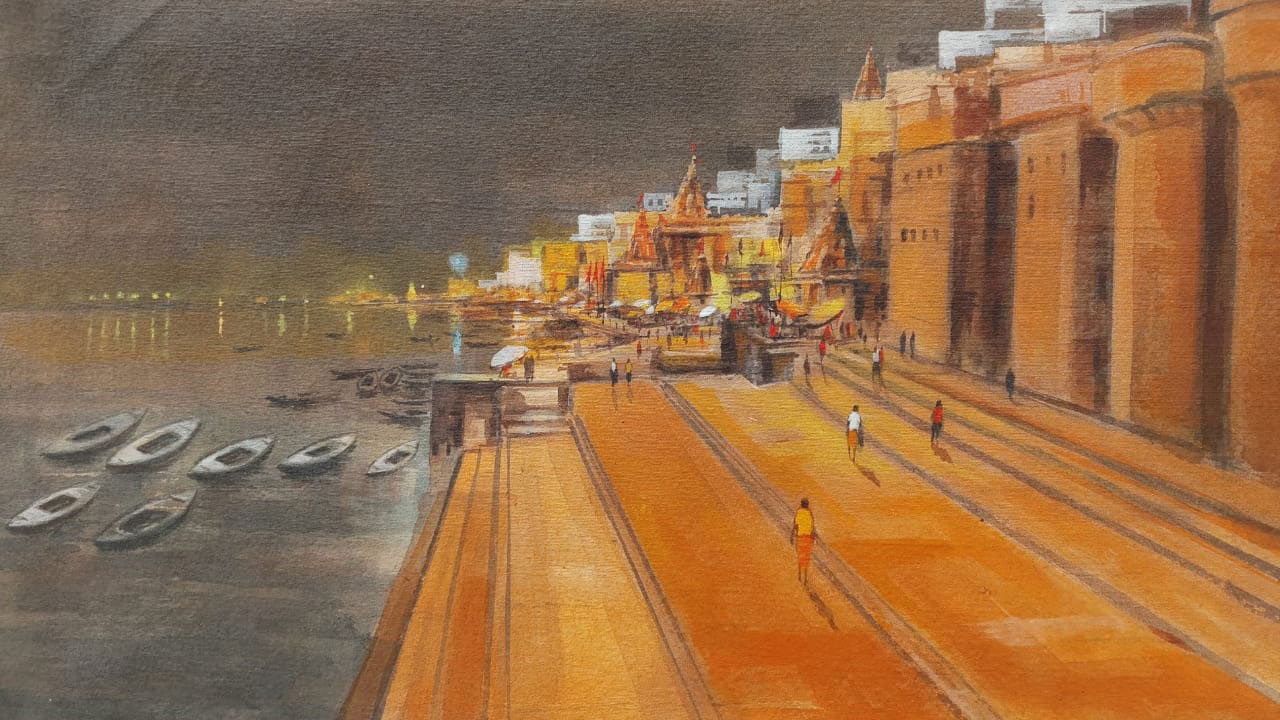
Painting is a form of visual art that involves applying pigment to a surface like canvas, paper, wood, or walls to create an image, expression, or abstract design. It is one of the oldest and most versatile forms of artistic
expression, with techniques and styles ranging from realistic depictions to abstract and experimental forms.
Copper / Silver Embossing
Copper or silver embossing is a crafting technique that involves creating raised patterns or designs on sheets of copper or silver, often for decorative purposes. This method is widely used in metal art, jewelry, home décor, and other creative applications. Here's an overview of the process and its components:
- Copper or Silver Sheet: Thin metal sheets (gauge depends on the desired result, e.g., 22–30 gauge) are typically used.
- Embossing Tools: Includes styluses, embossing pens, or blunt-tipped tools for creating patterns.
- Stencil or Pattern: A guide for the design, such as templates or freehand sketches.
- Work Surface: A soft, cushioned surface (like foam or leather) to provide support and allow for indentations.
- Polishing Materials: Buffing pads, polishing cloths, or metal cleaners to finish and enhance the design.
This technique combines creativity with craftsmanship, yielding unique and visually striking results.